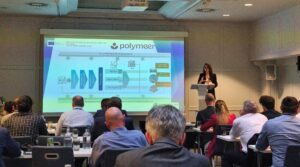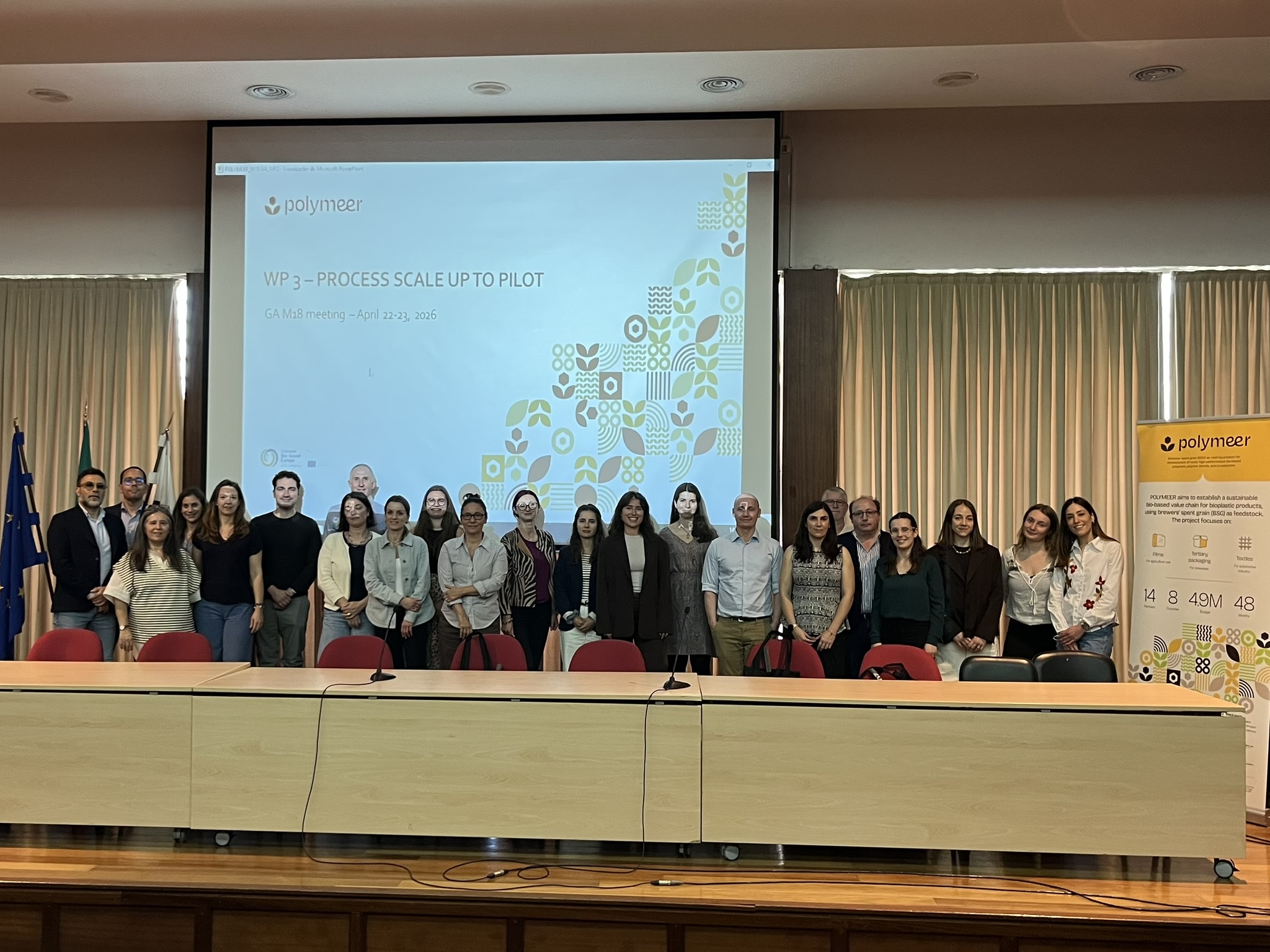
From 22 to 23 April 2026, the POLYMEER consortium gathered in Nelas, Portugal, for its 18-month meeting, hosted by Borgstena. Partners came together to review progress, align on the next steps and strengthen collaboration further.
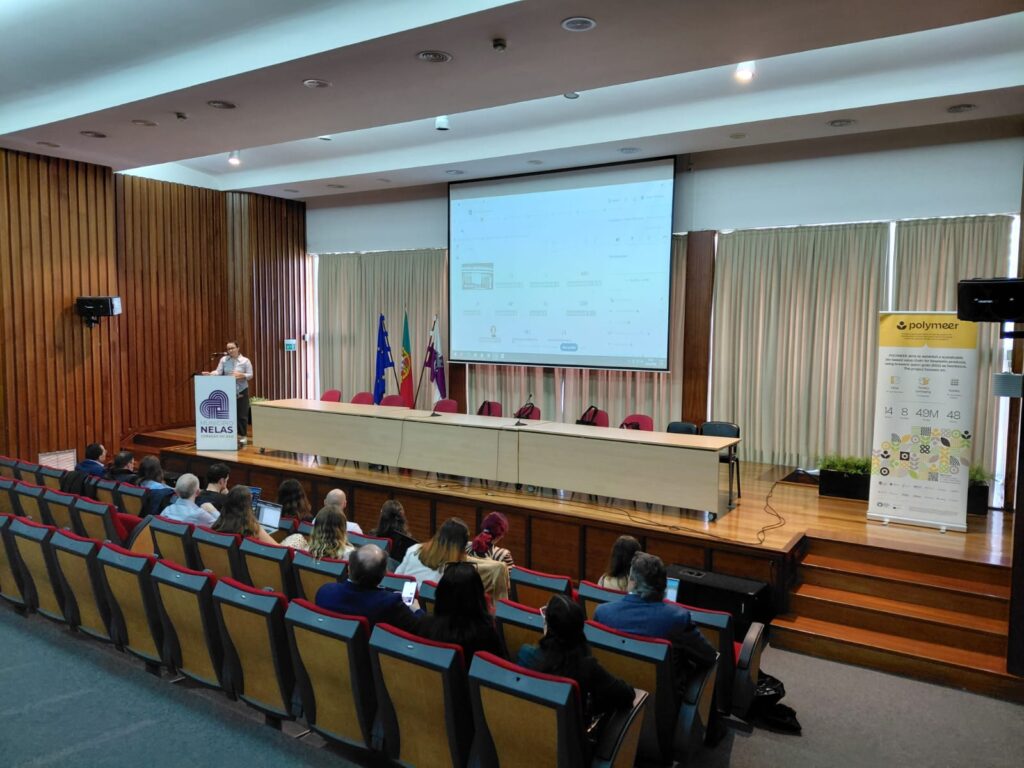
The meeting, which spanned two days, combined technical sessions, strategic discussions, a dedicated workshop, and a technical visit to offer a comprehensive overview of the project’s development and future direction.
Work Package updates
The meeting opened with a general session led by the coordinator, followed by updates from the different work packages. Work in WP1, led by UNIPG, continues on designing and synthesising polymers derived from brewers’ spent grain (BSG). Recent developments include the creation of polyphosphoester-based copolymers, which combine BSG-derived monomers with polyphosphoesters in order to customise the properties of the material, such as its biodegradability and flexibility.
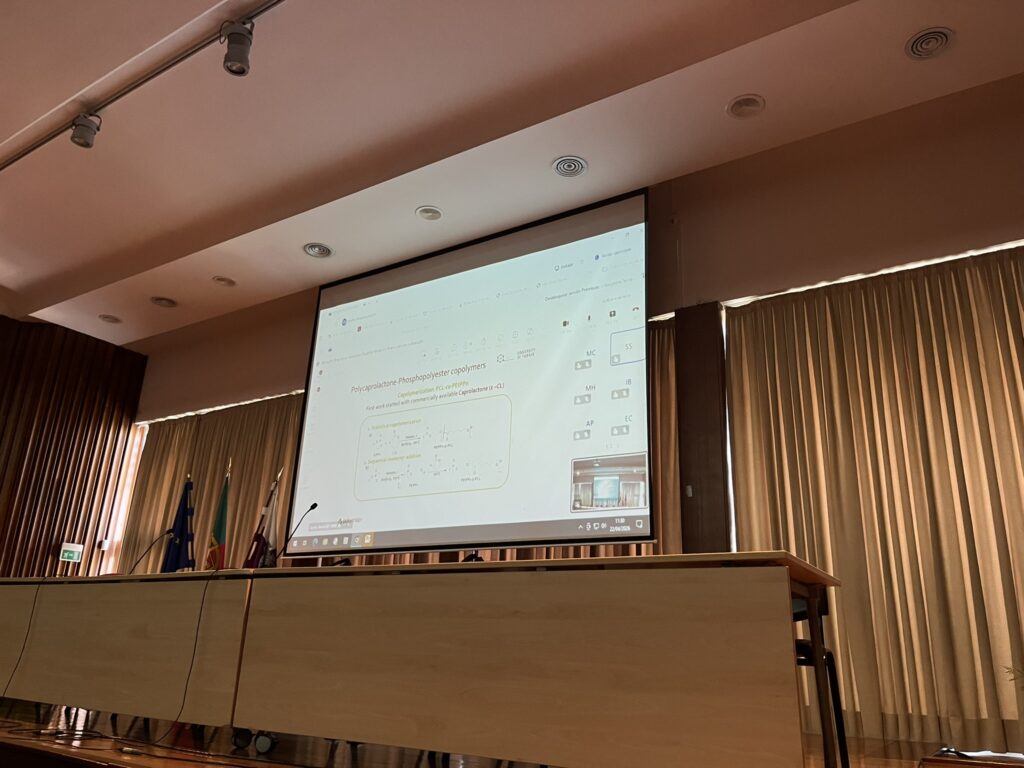
Partners are also exploring star-shaped thermoplastic elastomers, which demonstrate promising mechanical performance by combining strength and flexibility. In parallel, efforts are ongoing to develop polymers with a high glass transition temperature, although further optimisation is required to achieve the desired molecular weights and stability.
Led by UNIROMA1, WP2 is progressing towards the next phase of material development, focusing on lignin valorisation. Key upcoming activities include the functionalisation of extracted lignin, the isolation of hydroxymethylfurfural (HMF), and the preparation of phenolic compounds from lignin.
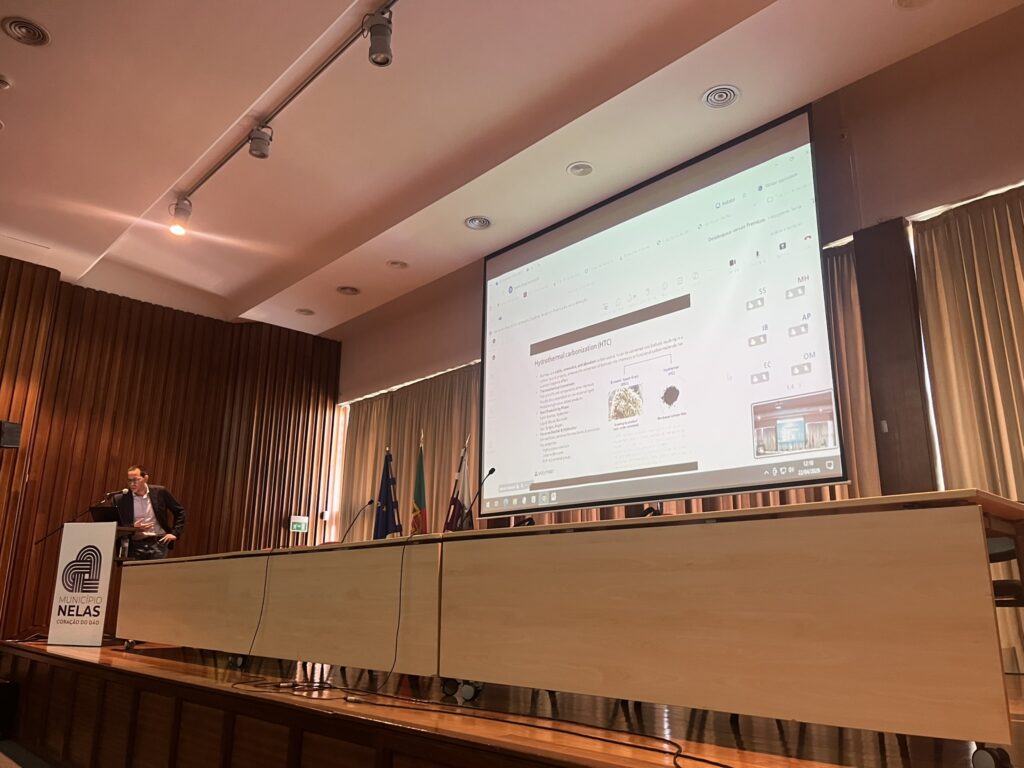
A major focus of WP3 (Bio-mi) is to bridge the gap between laboratory research and industrial application. The work package is advancing the scaling up and pilot validation of BSG fractionation, with trials planned to process between 50 and 200 kg of material under industrial conditions.
The resulting fractions are being distributed to partners for further testing, with the aim of ensuring alignment across the value chain. Meanwhile, progress is being made in scaling up applications, including the production of automotive-grade textiles, where initial tests have already identified promising structures that meet industry requirements.
WP4, led by Lomartov, continues to evaluate the environmental and socio-economic performance of POLYMEER materials using life cycle assessment (LCA) and techno-economic analysis. Preliminary results suggest that conventional mulch films currently outperform POLYMEER alternatives in several impact categories such as climate change, resource use and water consumption, largely due to economies of scale. These findings are informing efforts to optimise the environmental performance of bio-based solutions.
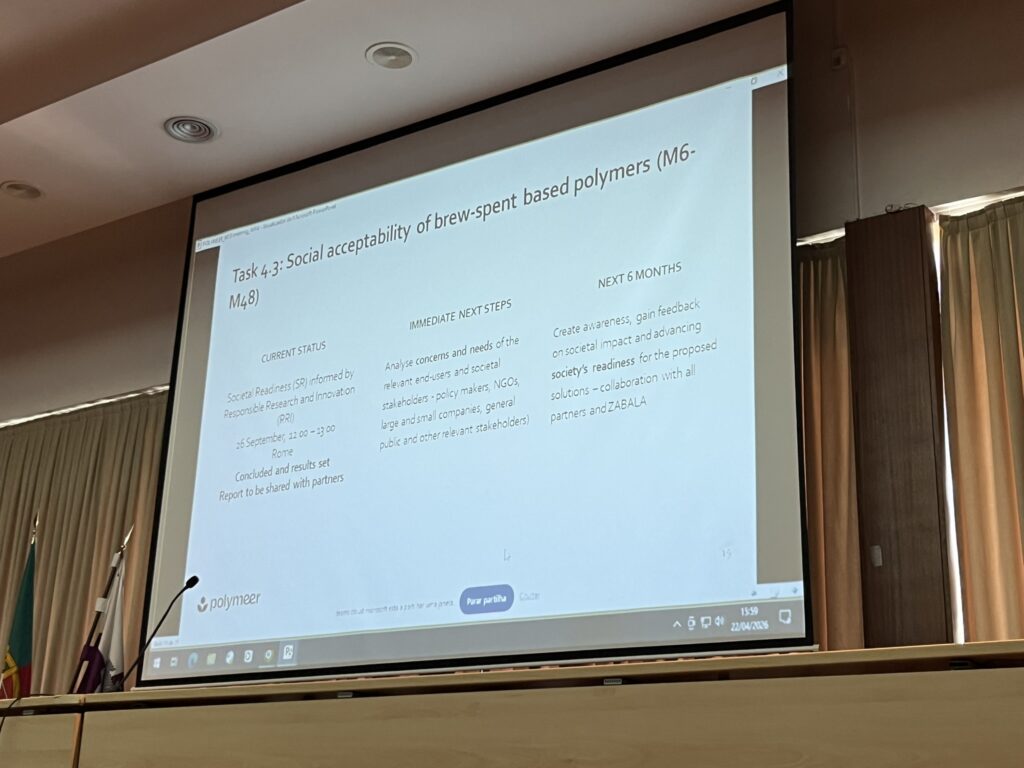
Meanwhile, the work package is strengthening its focus on the social dimension of innovation, based on Responsible Research and Innovation (RRI) principles. Activities are underway to better understand stakeholder expectations, analyse the needs and concerns of key groups, including policymakers, industry, NGOs and the general public, and validate the project’s sustainability claims. This work plays a crucial role in raising awareness and supporting the acceptance and uptake of BSG-based polymers.
WP5, led by Zabala and Northmoore, has significantly increased POLYMEER’s visibility and stakeholder engagement. The project’s online presence continues to grow, with an increasing number of followers on social media. Dissemination activities include participation in international conferences and webinars. The BIOPOLY Cluster, created with sister projects BIOPYRANIA and POLYMERS-5B, has become a vital collaboration platform, enabling joint communication campaigns and webinars.
In parallel, exploitation activities are progressing with the identification of 19 exploitable results, including both commercial and research-oriented outputs. Dedicated workshops and partner coaching sessions are helping to define value chains, target markets, and pathways to market uptake.
Assunta Marrocchi from UNIPG, the project coordinator, also provided updates on project coordination (WP6). During the General Assembly, partners discussed the possibility of accepting a new company onto the Industrial Advisory Board.
Exploitation workshop
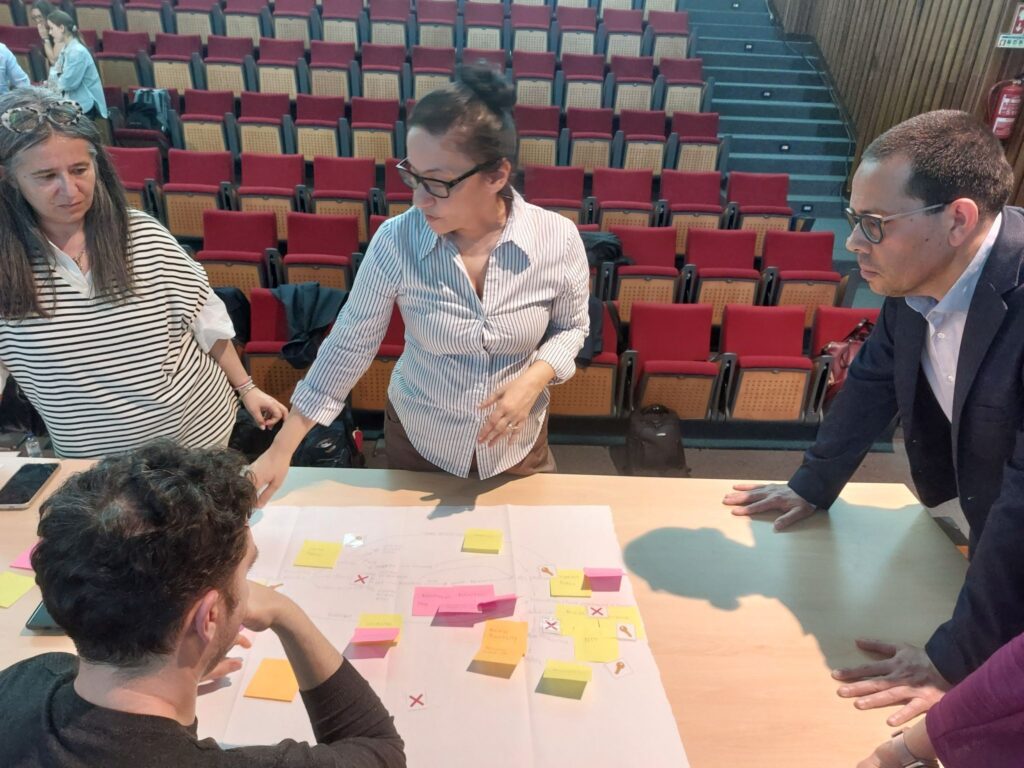
A key highlight of the meeting was the exploitation workshop on the supply chain, in which partners worked together to map POLYMEER’s entire value chain.
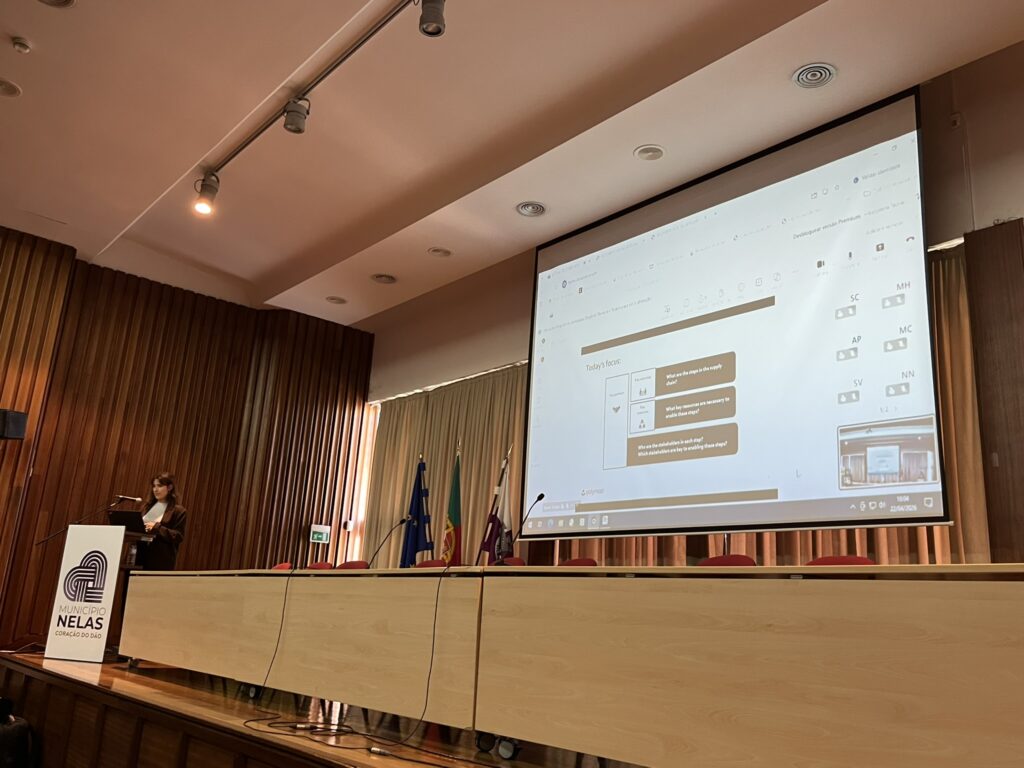
This session focused on identifying the activities required to bring products to market, defining the roles of key stakeholders at each stage, and mapping the critical resources involved, from physical infrastructure to human and intellectual capital.
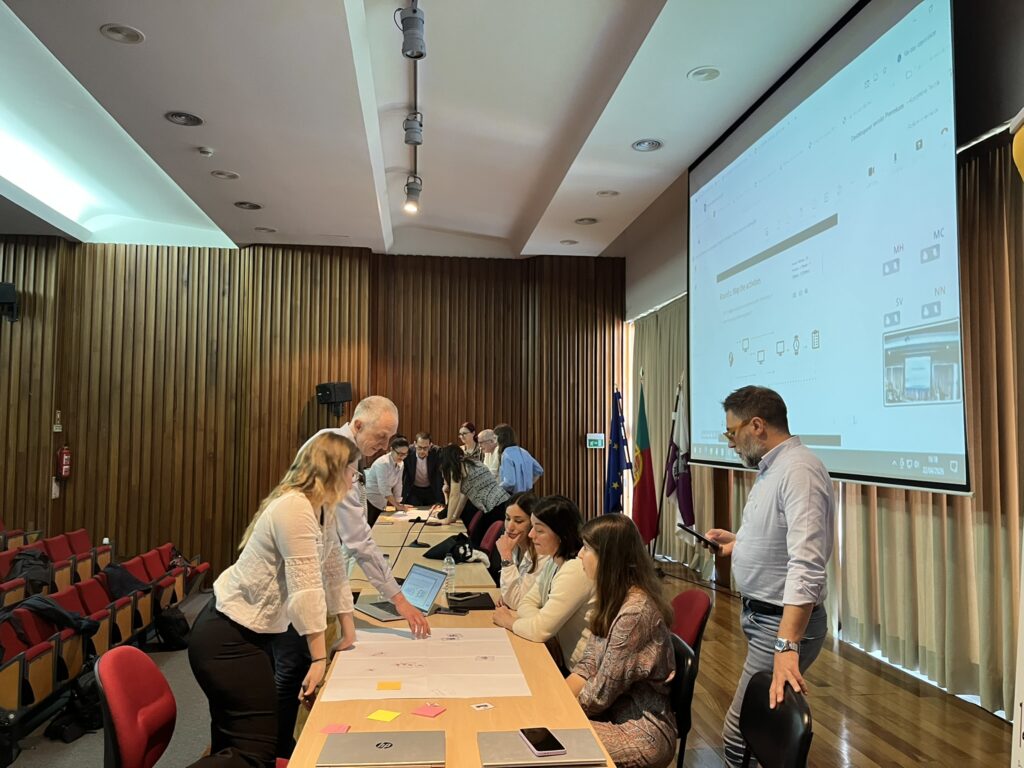
Participants also analysed potential risks and bottlenecks within the supply chain, exploring how disruptions could be mitigated through better coordination and planning. This collaborative exercise emphasised the importance of taking a fully integrated approach to innovation, from sourcing the feedstock to the final applications.
Technical visit
The meeting concluded with a visit to Borgstena’s facilities, which offered partners valuable insights into the industrial context of POLYMEER’s applications. As a leading supplier of textile solutions for the automotive industry, Borgstena develops and produces advanced materials for vehicle interiors, with a strong focus on sustainability and circularity.
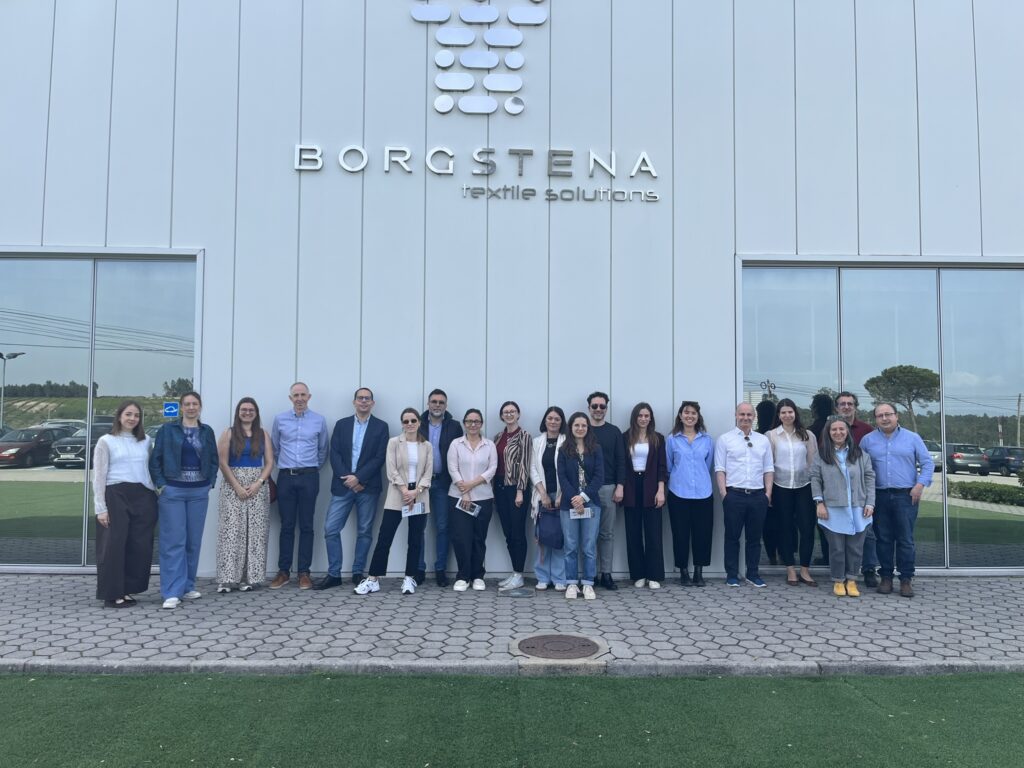
During the visit, partners explored how research developments within POLYMEER can be translated into real industrial processes, particularly in the production of automotive textiles. The visit highlighted the challenges and requirements associated with scaling up innovative materials in terms of performance, durability and manufacturability and demonstrated how industry is adapting to incorporate more sustainable solutions.
We would like to thank the Borgstena team for their warm hospitality, and all the partners for attending the meeting.