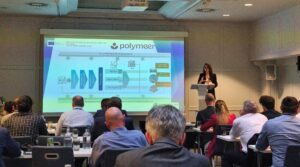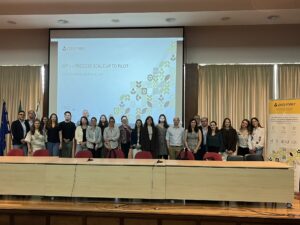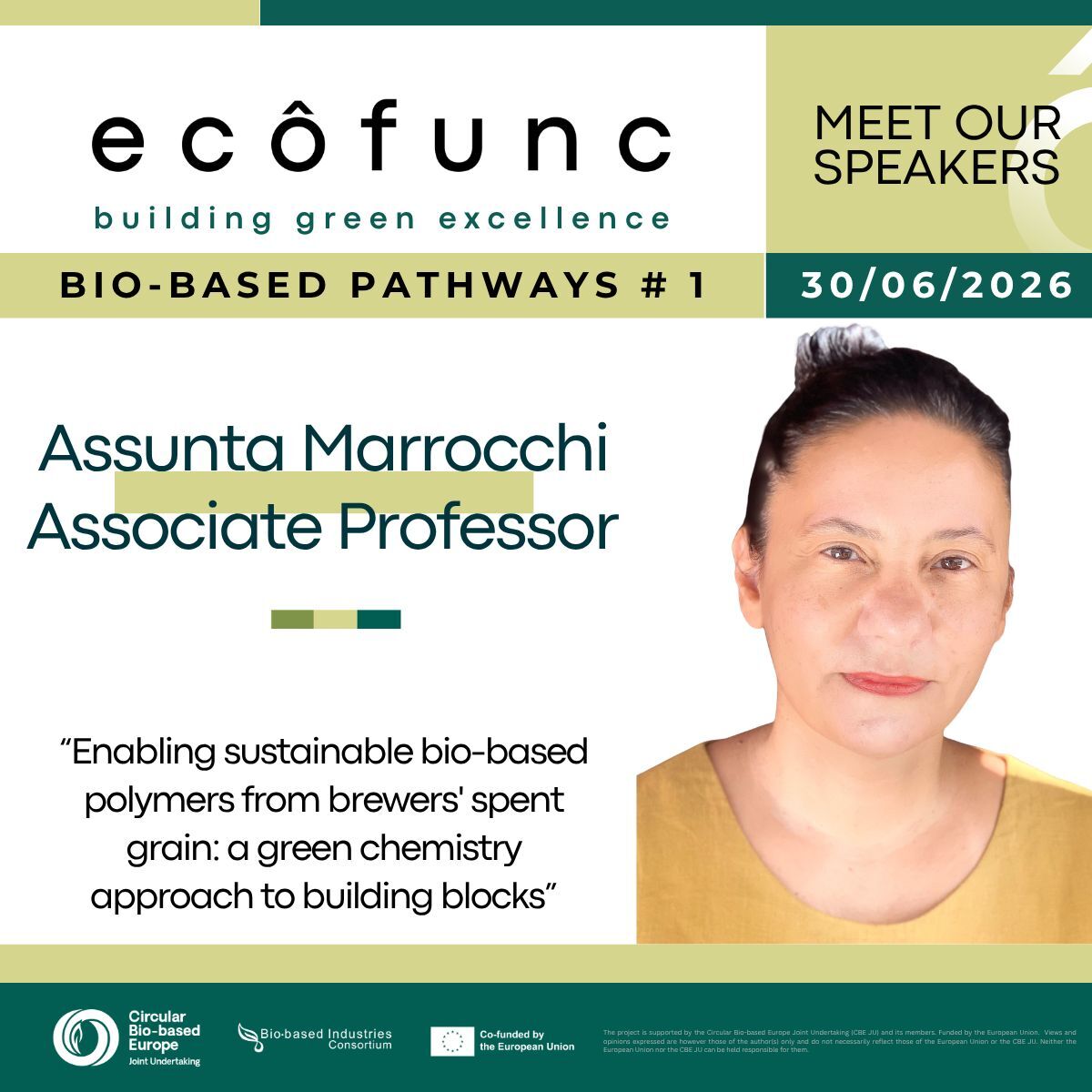
On 30 June 2026, Assunta Marrocchi, Associate Professor at the Università degli Studi di Perugia (UNIPG) and coordinator of the POLYMEER project, participated as a speaker in the first Bio-Based Pathways webinar, Next-Gen Materials – Sustainable by Design. Organised by the ECOFUNC, the webinar brought together experts from academia and industry from different EU-funded projects to discuss how bio-based innovation is accelerating the transition towards sustainable materials.
Addressing the challenge of underutilised biomass
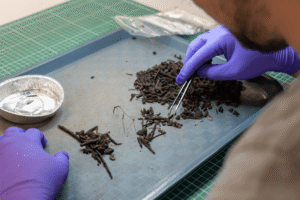
During her presentation, «Green Chemistry Approach to Building Blocks from Brewers’ Spent Grain for Sustainable Bio-Based Polymers», Assunta Marrocchi introduced the challenge at the heart of POLYMEER. While sectors such as agriculture, automotive and industrial packaging continue to rely heavily on fossil-based plastics, Europe generates around eight million tonnes of brewers’ spent grain (BSG) every year. Most of this biomass is currently used as low-value animal feed or disposed of, despite being rich in cellulose, arabinoxylans and lignin, valuable components for the production of bio-based polymers.
From brewery by-product to high-performance polymers
Assunta presented POLYMEER’s innovative approach to overcoming this challenge through a green chemistry process that converts wet brewers’ spent grain directly, eliminating the need for energy-intensive drying while using mild processing conditions and safer chemical routes.
The project fractionates BSG into its main components, which are then transformed into monomers, macromonomers and polymers, before being formulated into bio-based materials for three target applications: agricultural mulch films, tertiary packaging for the brewing industry, automotive textiles.
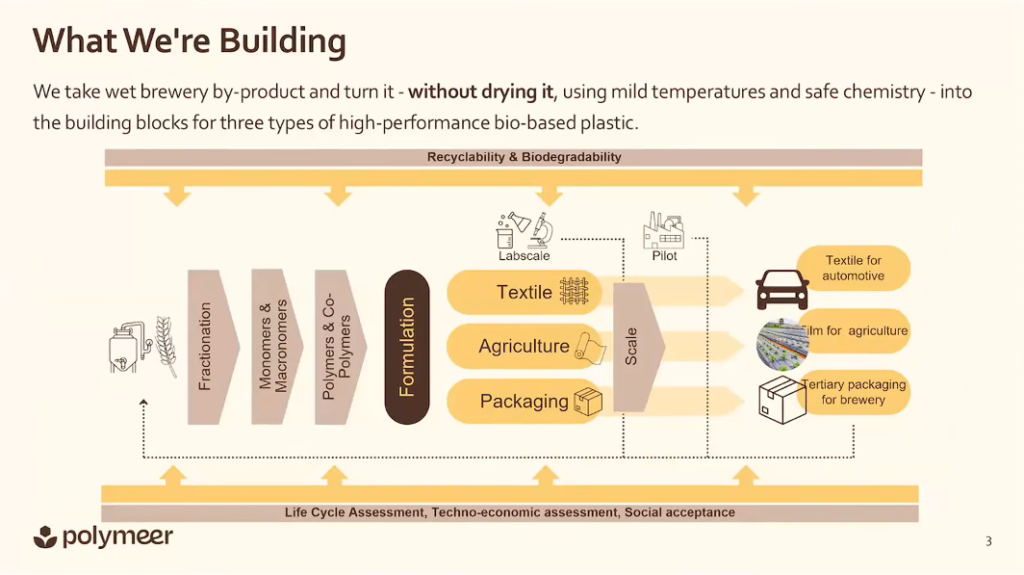
A key feature of the POLYMEER approach is that sustainability is considered throughout the entire value chain. Recyclability and biodegradability are integrated into material design, while life cycle assessment, techno-economic analysis and social acceptance studies ensure that environmental, economic and societal aspects are addressed alongside technical performance.
Collaboration to accelerate the bioeconomy
Beyond presenting POLYMEER’s scientific advances, the webinar provided an opportunity to strengthen collaboration with other European initiatives working on sustainable materials. Participants explored topics including CO₂-derived polymers, green chemistry, biomass valorisation, advanced polymer synthesis and circular material solutions.
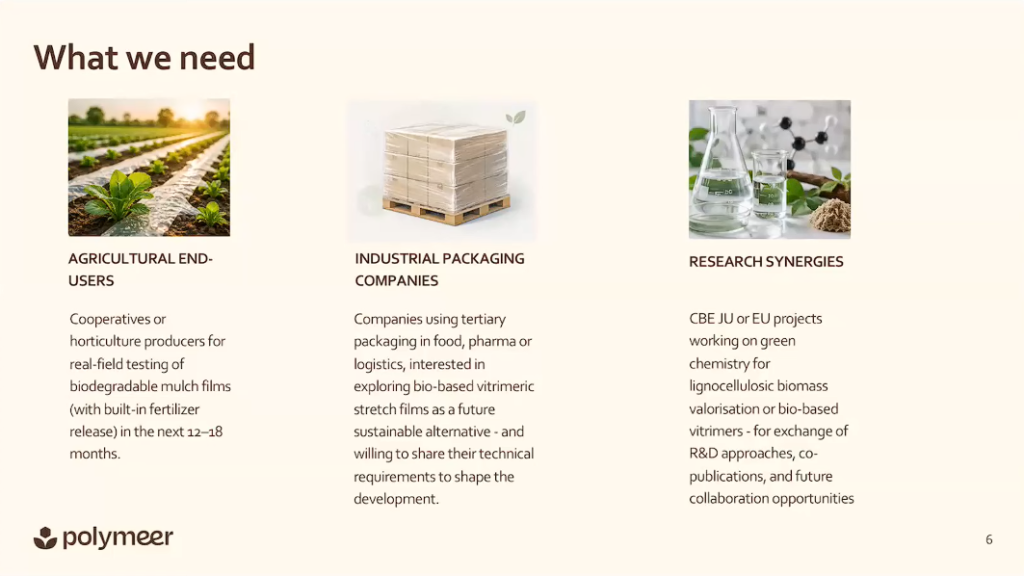
The session also highlighted opportunities for future cooperation between research organisations, industry and EU-funded projects, reinforcing the importance of cross-project collaboration in accelerating Europe’s transition towards a circular bioeconomy.
If you missed the webinar, you can watch the recording here.