The European Union (EU) has long been a global leader in environmental policy, adopting legislation to drive sustainability across industries.
The plastics sector needs to adapt to new policies aimed at reducing plastic waste, promoting circularity and minimising its environmental impact. This article explores how EU legislation is shaping the plastics industry, the challenges companies are facing and how they are responding to the evolving regulatory landscape.
Circular economy action plan
At the heart of the EU’s sustainability strategy is the Circular economy action plan (CEAP), which focuses on reducing waste and increasing the reuse and recycling of materials. The packaging, plastics and textile sectors are key for their high potential for circularity, with policies designed to minimise the use of virgin plastics and encourage the development of more sustainable alternatives.
One of the main objectives of the CEAP is to reduce microplastic pollution. The EU is implementing measures to prevent microplastics from entering the environment through stricter regulations on plastic pollution, packaging and product design. Companies are required to innovate by incorporating more recycled content into their products and ensuring better recyclability at the end of their lifecycle.
Directive on single-use plastics
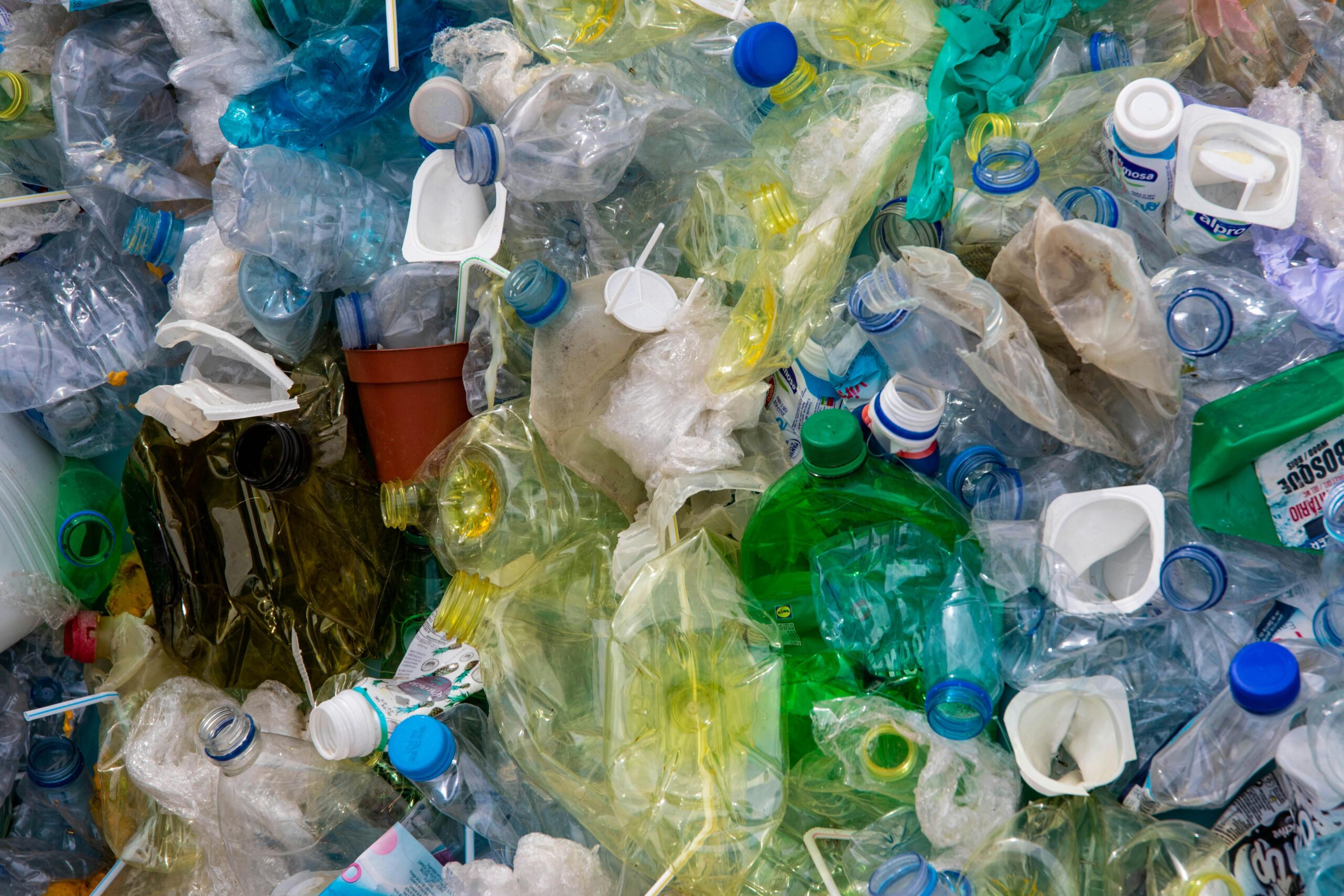
To tackle plastic pollution, the Single-Use Plastic (SUP) Directive came into force in July 2021, targeting the items that make up 70% of marine litter. The Directive bans the sale of plastic items such as cutlery, plates, straws, and food and drink containers where sustainable alternatives are available and affordable.
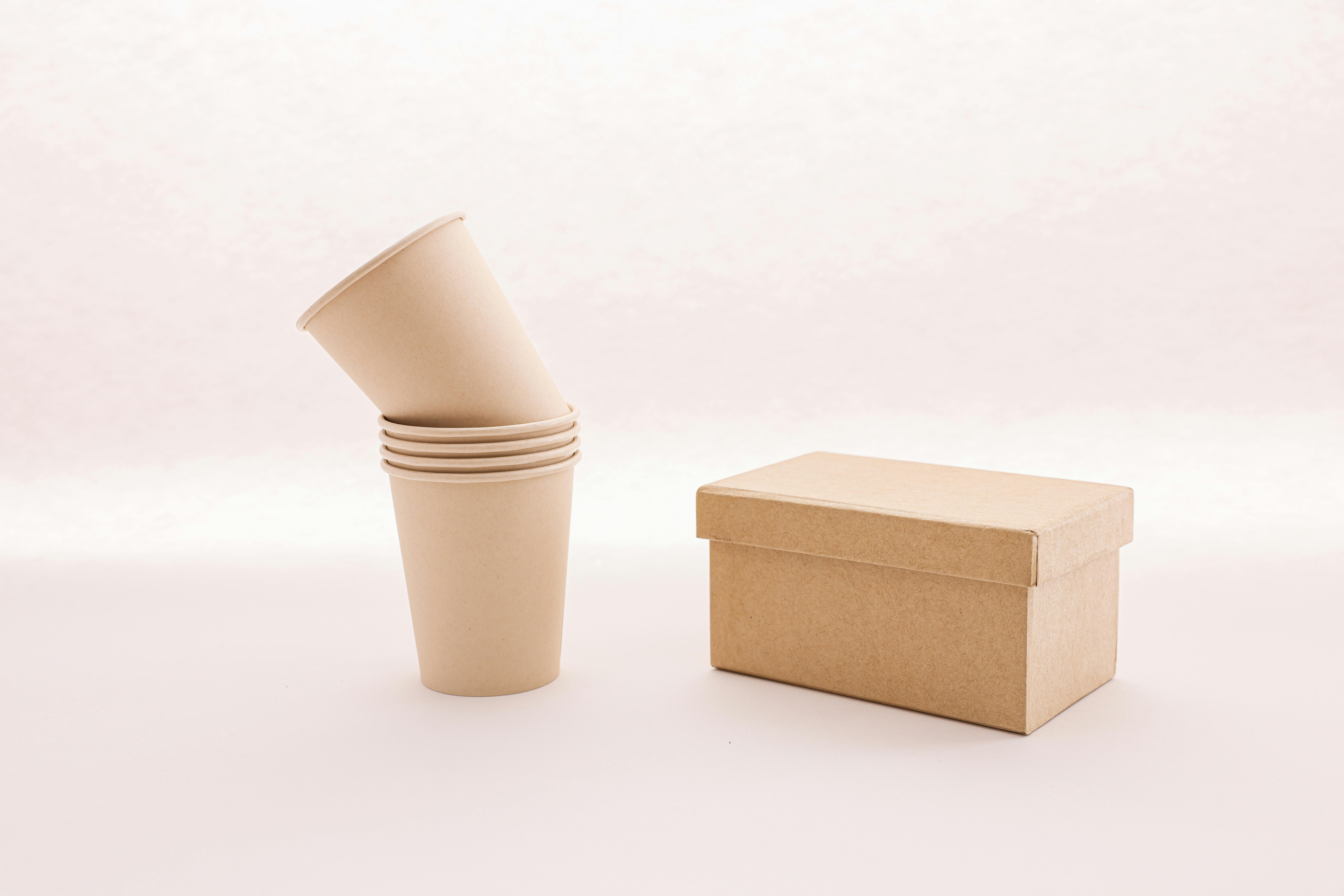
It also sets ambitious recycling targets, including
- a 77% separate collection target for plastic bottles by 2025, rising to 90% by 2029, and
- a minimum of at least 25% recycled content in PET bottles from 2025, increasing to 30% for all plastic bottles from 2030.
These measures are pushing the plastics industry towards greater accountability and encouraging manufacturers to rethink packaging solutions and use more sustainable materials.
Regulation on microplastics
Microplastic pollution has emerged as a serious environmental concern. In response, the European Chemicals Agency proposed solutions for intentionally added microplastics in 2019, leading to the adoption of a regulation on synthetic polymer microparticles in October 2023. This regulation limits the use of microplastics in products such as cosmetics, detergents and coatings while promoting sustainable alternatives.
In addition, the EU’s Drinking Water Directive now requires the monitoring of microplastics in drinking water, strengthening efforts to protect public health and the environment.
Challenges facing the plastics industry
Despite these policies, the plastics industry in Europe faces challenges:
- Declining production: The European plastics sector saw an 8.3% decline in production in 2023, compared to a 3.4% increase globally. Rising energy prices, regulations and competition from international markets have put pressure on European manufacturers.
- Investment in the circular economy: To remain competitive, European companies must invest in recycling infrastructure, bio-based plastics and advanced sorting technologies, which require significant financial and technological resources.
- Compliance costs: The cost of complying with new regulations can be a financial burden, especially for small and medium-sized enterprises (SMEs).
Industry is calling for policy adjustments and financial incentives to support the transition to circularity and ensure that European manufacturers remain competitive.
Industry-led sustainable initiatives
In response to regulatory and environmental pressures, the plastics industry is proactively developing sustainability programmes. One such initiative is VinylPlus, a ten-year voluntary commitment by the polyvinyl chloride (PVC) industry to improve sustainability through increased recycling, responsible use of resources and innovation in environmentally friendly materials.
Other major polymer producers are investing in chemical recycling technologies that break plastics down into their basic molecules for reuse in new products. These innovations are in line with the EU’s sustainability goals and demonstrate the industry’s commitment to reducing its environmental footprint.
The POLYMEER project is another initiative that aims to contribute to sustainability in the plastics sector by establishing a sustainable bio-based value chain for bioplastic products, using brewers’ spent grain as a feedstock. Focusing on agricultural films, brewery tertiary packaging and automotive textiles, the project is developing bioplastics that are recyclable and/or biodegradable.
Conclusion
EU policies are reshaping the plastics industry, driving a shift towards sustainability through regulation, recycling targets and investment in innovative technologies. While challenges remain, the industry is responding with significant efforts to align with circular economy principles. The way forward requires continued collaboration between policy makers, industry leaders and consumers to ensure that sustainability goals are met without compromising competitiveness in the global markets.