Europe’s transition towards a circular and climate-neutral economy depends not only on reducing waste, but on rethinking how waste itself can become a valuable resource. A recent report commissioned by the European Environment Agency (EEA) and developed by Magellan Circle and 3drivers provides a comprehensive assessment of the potential to enhance the circularity of bio-based waste streams across the European Union.
The conclusion is clear: across multiple sectors, large volumes of bio-based waste are still managed through linear routes, representing both an environmental burden and a missed opportunity.
From waste to resource
The study introduces the concept of “circularity potential”, referring to bio-based waste that is currently not recycled but could realistically be transformed into new materials, nutrients or energy.
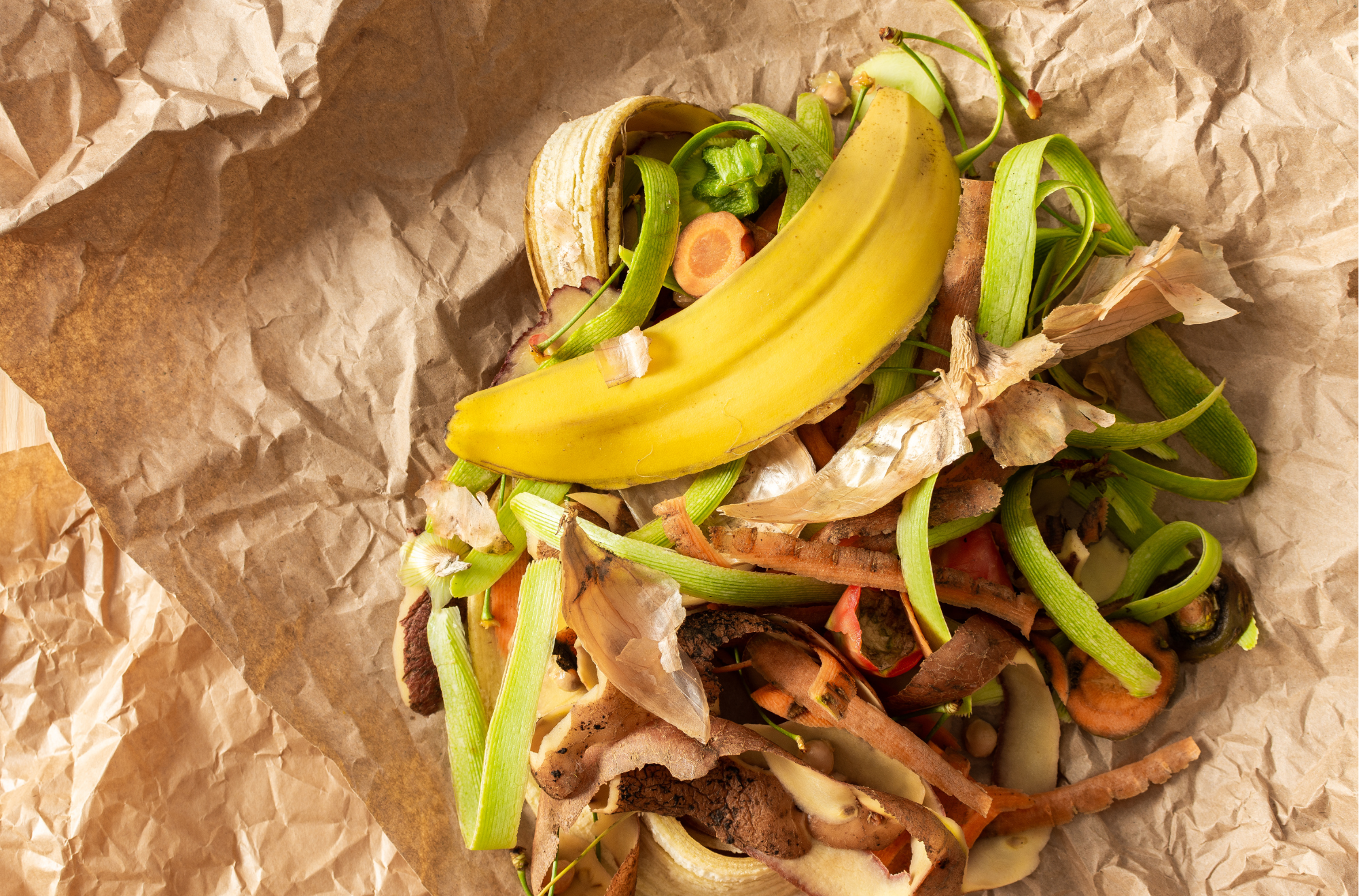
Across the EU, significant shares of food waste, wood waste, sewage sludge and agricultural waste residues remain outside circular pathways. For example, more than half of food, garden and vegetable waste is not yet recycled, while tens of millions of tonnes of wood waste continue to be directed to low-value recovery or disposal. Even sewage sludge and crop residues, streams rich in nutrients and organic matter, still hold considerable untapped potential.
These findings highlight a structural challenge: biological resources are renewable, but they are not infinite. Failing to keep them in circulation means losing materials, nutrients and energy that could otherwise contribute to Europe’s bioeconomy.
The importance of quality and separate collection
One of the report’s strongest messages concerns quality. When bio-based waste is mixed with residual waste streams, contamination significantly reduces its value and limits recovery options. Separate collection is therefore not merely an operational improvement, it is a precondition for high-value circular solutions.
This is particularly relevant for material innovation. Producing high-performance bio-based materials requires reliable, clean feedstock streams. Without adequate sorting, traceability and harmonised standards, even the most promising technologies struggle to scale.
Cascading use and competing priorities
The report also highlights the complexity of circular bioeconomy systems. In the case of wood waste, for instance, there is strong competition between recycling and energy recovery due to its high calorific value. In other streams, such as sewage sludge, policy approaches vary across Member States, reflecting different priorities between nutrient recovery, energy generation and risk management.
The cascading principle, prioritising long-lasting material uses before energy recovery, emerges as a guiding concept to maximise environmental and economic value. Applying this principle consistently across bio-based waste streams is essential if Europe aims to strengthen resource efficiency and reduce greenhouse gas emissions.
Where brewer’s spent grain fits in
While the report focuses on major bio-based waste streams at EU level, its conclusions are directly relevant to more specific industrial by-products, therefore referring to brewers’ spent grain (BSG).
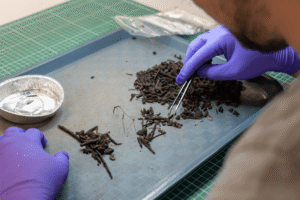
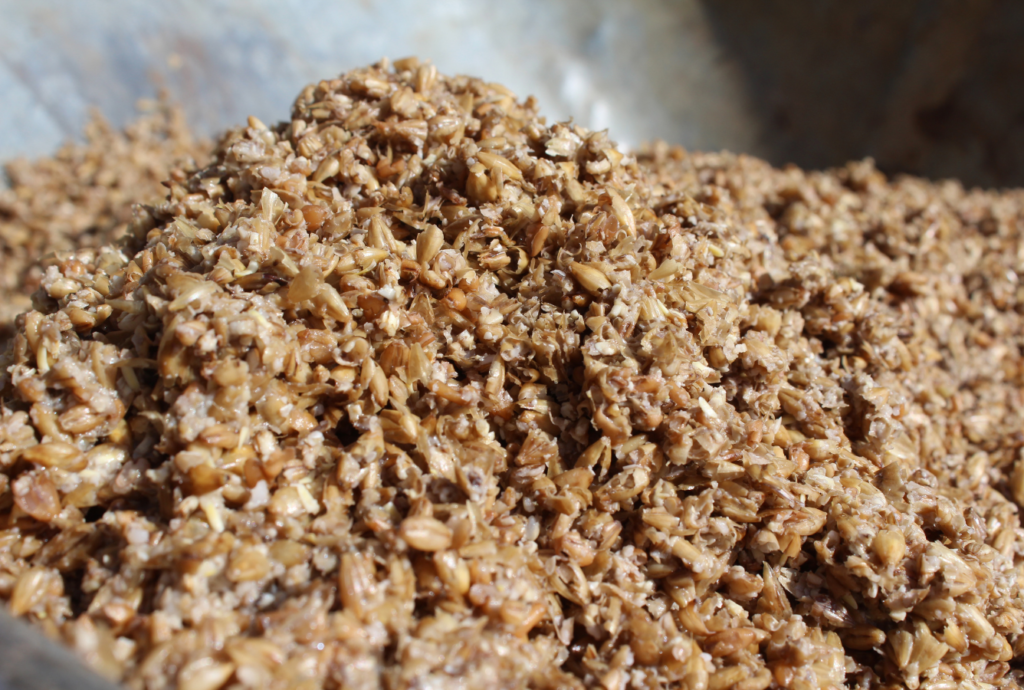
Brewers’ spent grain is the largest by-product of the brewing industry and represents a significant, underutilised bio-based resource. Like other agricultural and food processing residues highlighted in the report, BSG contains valuable organic compounds that can be recovered and transformed into higher-value applications rather than being used only for low-value feed or disposal.
At POLYMEER, brewer’s spent grain is at the core of our work. By transforming BSG into innovative bio-based polymer solutions, we are putting into practice the very principles outlined in the EEA assessment:
- Moving biomass up the waste hierarchy,
- Retaining material value,
- And creating sustainable alternatives to fossil-based materials.
BSG is a concrete example of how industrial bio-based waste can contribute to a more circular and competitive European bioeconomy.
Towards a stronger circular economy
The EEA-commissioned report makes it clear that enhancing circularity is not simply about deploying new technologies. It requires coordinated policy frameworks, harmonised standards, improved data collection, market incentives and public trust.
For projects like POLYMEER, this broader context matters. Innovation in sustainable polymers depends on the availability of quality feedstocks, supportive regulation and functioning secondary raw material markets.
Brewer’s spent grain is just one piece of Europe’s bio-based wate landscape, but it demonstrates how targeted innovation can transform underused biomass into tangible solutions for the circular economy.
Read the full report here.